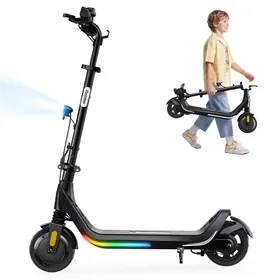
Choosing an electric bike or scooter is easier when the intended journey is specific. Write down the route, rider needs, storage arrangement and charging access. Then compare models against that description. A product that suits a short, flat journey may be a poor fit for a route that involves stairs, rough surfaces or limited storage, even when its headline specifications look attractive.
Describe the real use case
Record the typical journey distance, surface, gradients and expected luggage. Note whether the vehicle must be lifted, folded or taken into a small room. Check the manufacturer's stated load limits and intended operating conditions for the exact model. For an e-bike, include frame fit and riding position. For a scooter, assess the standing position and handling through an appropriate supervised evaluation.
Read range with its test conditions
A published range figure needs context. Segway's official manuals describe range measurements alongside conditions such as rider load, temperature, speed and surface. Compare those conditions with the proposed journey rather than assuming the published distance is a promise for every rider. Keep a planning allowance for variation, then validate the route and charging schedule using the specific product under suitable conditions.
Consider carrying and storage
Check the actual weight and folded dimensions rather than relying on the word “portable”. Identify where the product will be stored and whether its shape fits the available space. Evaluate the folding or locking mechanism using the manufacturer's instructions. For a bulk purchase, request the shipping carton dimensions as a separate measurement; a compact folded vehicle can still require a substantial protective carton.
Plan maintenance before selecting stock
Ask about the exact replacement tyres, tubes where applicable, brake parts, chargers and other service items. Confirm who will diagnose faults and who is expected to perform repairs. Request manuals and proposed support terms in writing. Do not assume that similar-looking parts are interchangeable or that a repair arrangement available in one destination automatically applies in another.
Check the regional product version
Identify the model suffix, charger, plug, instructions and any regional configuration included in the quotation. Confirm the current requirements for the intended destination and use before ordering. This article does not assert that a particular e-bike or scooter is permitted on any road, path or public transport service. Product suitability and permission to use it are separate questions that need separate evidence.
Evaluate with a documented checklist
For a sample assessment, record setup, controls, charging instructions, comfort observations, handling and the maintenance information supplied. Use a suitable location and qualified assistance where needed. Keep subjective impressions separate from measured findings. If a supplier demonstrates the model, ask for the conditions and exact version so that the demonstration can be interpreted accurately.
The purchasing shortlist should show the best fit for the stated journey and support plan, not an unsupported claim that one model is best for everyone. Reference: Segway's official Ninebot KickScooter product manuals for the relationship between published range and stated test conditions. Xingduan has not conducted riding tests for this guide.


Have something helpful to share? Be the first to join the conversation.